Showing posts with label Engels (एंगेल्स). Show all posts

Saturday, August 8, 2015

Alcoholism and Crime in Capitalism: Some Views and Quotes


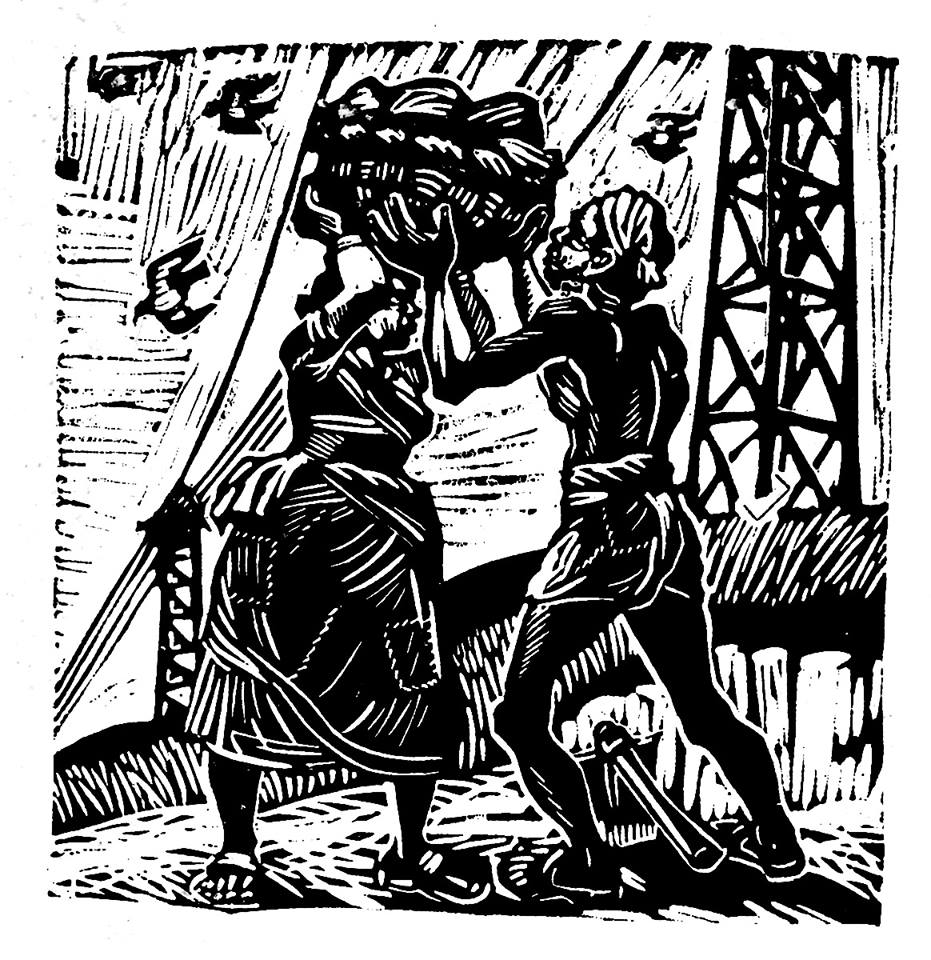
Maxim Gorky about Industrial Workers (from novel ‘Mother’):  “The day was swallowed up by the factory; the machine sucked out of men’s muscles as much vigor as it needed. The day was blotted out from life, not a trace of it left. Man same another imperceptible step towards his grace; But he saw close before his the delight of rest, the joys of the odorous tavern and he was satisfied… The accumulated exhaustion of years had robbed them of their appetites, and to be able to eat they drank, long and deep, goading on their feeble stomachs with the biting, burning lash of vodka… Returning home they quarreled with their wives, and often beat them, unsparing of their fists. The young people sat in the taverns of enjoyed evening parties at one another’s houses, played the accordion, sang vulgar songs devoid of beauty, danced, talked ribaldry and drank. Exhausted with toil, men drank swiftly, and in every heart there awoke and grew an incomprehensible sickly irritation, It demanded and outlet. Clutching disquieting sensation, they fell on one another for mare trifles, with the ferocity of beasts, breaking into bloody quarrels which sometimes ended in serious injury and on occasions even in murder.” (P.253)
A Journalist about Farmers in Villages: “For centuries heavy drinking seemed an indispensable and necessary part of life. The endless grey monotony of peasant life with its constant threat of famine and spice-breaking toil, the dirt and degradation of squalid city slums, stifling atmosphere of merchants’ homes – all this was an appropriate frame for ‘vodka,’ one of the few words.” (P.250)*
Conclusion in the words of Philosopher Friedrich Engels: “Worker drinks primarily to escape from the suffering of his daily existence under capitalism: “… he must have something to make work worth his trouble to make the prospect of the next day endurable… (He seeks) the certainty of forgetting for an hour or two the wretchedness and burden of life.” (P.252)*
*Books: How Capitalism Was Restored in the USSR

Monday, April 7, 2014

21वीं सदी के “महान” भारतीय मध्य-वर्ग का राजनीतिक अर्थशास्त्र . . .


20वीं शताब्दी के आरम्भ में साम्राज्यवादी देश, जैसे इंग्लैंड, जर्मनी, जापान, अपने औपनिवेशिक देशों में व्यापक मज़दूर-किसान आबादी के खुले शोषण कर अपने देश की जनता के बड़े हिस्से को आरामतलब जीवन स्तर मुहैया कराते थे। इन विशेषाधिकारों के दम पर साम्राज्यवादी देशों ने अपने देश की मेहनतकश आबादी को पूरी दुनिया के शोषित-उत्पीड़ित मज़दूरों के महान मुक्ति के संघर्षों से काट कर अलग कर दिया था। 2014 में हम इतिहास के जिस मोड़ पर खड़े हैं, दुनिया के ज्यादातर देश जो सम्राज्यवादी देशों के उपनिवेश थे वे आज व्यापक मेहनतकश जनता के संघर्षों के दम पर प्रत्यक्ष उपनिवेशवादी साम्राज्यवादी शासन से मुक्त हो चुके हैं, और भारत जैसे तीसरी दुनिया के देशों में सत्ता में मौजूद पूँजीपति वर्ग उत्पादन के सम्बन्धों को मुनाफ़ा-केन्द्रित उत्पादन सम्बन्धों में तब्दील करने के काम को अन्जाम दे चुका है।
20वी सताब्दी के दूसरे दशक में लेनिन ने साम्राज्यवाद पूँजीवाद की चरम अवस्थामें लिखा है कि साम्राज्यवादी देशों के पूँजीपतियों के लिये आवश्यक रूप से इस विशाल अति-मुनाफ़े (क्योंकि वे उस मुनाफे की तुलना में बहुत अधिक मात्रा में मुनाफा निचोड़ते हैं जो पूँजीपति अपने देश के मज़दूरों के निचोड़ते हैं) के दम पर यह सम्भव हो जाता है कि मज़दूर नेताओं और अभिजात मज़दूरों की ऊपरी श्रेणी को रिश्वत दे दी जाए। और बिल्कुल यही उन्नत पूँजीवादी देशों के पूँजीपति कर रहे हैं : वे इन मज़दूर नेताओं और अभिजात मज़दूरों की ऊपरी श्रेणी को हजारों भिन्न-भिन्न रूपों मे रिश्वत दे रहे हैं, प्रत्यक्ष और अप्रत्यक्ष, प्रकट और गुप्त रूप में। (साम्राज्यवाद पूँजीवाद की चरम अवस्था, लेनिन, अनुवाद हमारा, देखें श्रोत 1)
आज देखें तो पूरी दुनिया के ज्यादातर पिछड़े देशों में पूँजीवादी राज्य सत्ताएँ विकसित साम्राज्यवादी देशों के साथ मिलकर अपने हितों के अनुरूप अपने ही देश की व्यापक मेहनतकश जनता के खुले दमन और शोषण के दम पर पूँजीवादी उत्पादन से बड़ी मात्रा में अतिरिक्त मूल्य निचोड़ रही हैं। औद्योगिक विकास के साथ-साथ इन पिछड़े देशों में एक टुटपुँजिया-मध्यवर्ग (petty-bourgeoisie) पैदा हो चुका है, जिसमें सरकारी नौकरशाही, कलाकार, बौद्धिक काम करने वाले, पुलिस-प्रशासन के अधिकारी और तकनीकि काम करने वाले आदि शामिल हैं। सत्ताधारी पूँजीपति वर्ग समाज में अपने समर्थन आधार को मज़बूत करने के लिये विशाल मज़दूर आबादी के शोषण से निचोड़े जाने वाले अतिरिक्त मूल्य का एक छोटा हिस्सा मध्यवर्ग को सुविधायें देने में खर्च करता है। और इसका परिणाम यह है कि पूँजीवादी देशों ने अपने ही देश में जनता के एक छोटे से हिस्से के रूप में मध्य-वर्ग को व्यापक मेहनतकश जनता से काट कर अपने समर्थन आधार के रूप में अलग खड़ा कर दिया है। वास्तव में मध्य-वर्ग मज़दूरों और गरीब किसानों के काफी निकट होना चाहिये लेकिन एक वर्ग के रूप में श्रम के शोषण में पूँजीपति वर्ग द्वारा मज़दूरों के शोषण से पैदा मुनाफ़े का एक छोटा सा हिस्सा रिश्वत के रूप में मिलने के कारण इसे देश की व्यापक मेहनतकश जनता के जीवन संघर्षों से तात्कालिक दौर में कोई सरोकार नहीं रहता। और इसका फायदा उठाकर शासक वर्ग अलग-अलग माध्यमों का उपयोग कर भ्रामक प्रचार के माध्यम से काल्पनिक समस्याओं के बारे में उसे सम्मोहित करके दिग्भ्रमित करने का काम करता है, जैसे वाले पूरी दुनिया में यह प्रचार किया जा रहा है कि आज सबसे बड़ी समस्या आतंकवाद है, जबकि पूंजीवाद के कारण आतंकवाद की तुलना में लाखों गुना अधिक जनता बर्बादी में जी रही है। यह एक उदाहरण है, लेकिन पूंजीवाद इस तरह के अनेक भ्रामक प्रचारों का सहारा लोगों को भ्रमित करने के लिये लेता है।
हम अपने ही देश में मौज़ूद मध्य-वर्ग का आर्थिक-राजनीतिक विश्लेषण करें तो पता चलता है कि इसका चरित्र साम्राज्यवाद से स्वतन्त्रता के लिये होने वाले आन्दोलनों में हिस्सा लेने वाले मध्य-वर्ग के साम्राज्यवाद विरोधी राष्ट्रवादी चरित्र से बिल्कुल विपरीत है। आज का मध्यवर्ग वैसा नहीं है जो राष्ट्रीय स्वाधीनता आन्दोलन के समय समाज के हर व्यक्ति के लिये एक बेहतर भविष्य का सपना लेकर साम्राज्यवाद के विरुद्ध मज़दूरों और किसानों के साथ मिलकर लड़ रहा था। आज के मध्यवर्ग का जीवन अन्धभक्तिपूर्ण व्यक्तिगत आवश्यकताओं की पूर्ति के इर्द गिर्द सिकुड़ा-सिमटा हुआ है।
अब मौज़ूदा हालात का विश्लेषण करें तो इन पिछड़े पूँजीवादी देशों की अर्थव्यवस्थाओं में समय-समय पर संरचनागत मंदी के दौर आते रहते हैं जिसमें अनेक मेहनत करने वाले सड़कों पर धकेल दिये जाते हैं और सम्पत्ति का और अधिक केन्द्रीकरण हो जाता है (और आजकल पिछले कुछ सालों से लगातार मन्दी जारी है)। इसका असर मध्य-वर्ग के ऊपर भी पड़ता है। पिछड़े देशों की व्यापक मज़दूर आबादी तो यूँ भी पूँजीवादी विकास के "बूम" के दौर में बेहताशा मुनाफा निचोड़े जाने के कारण बद-से-बदतर हालत में जीने के लिये धकेल दी जाती है। मेहनत-मज़दूरी करके अपने जीने के संघर्ष में लगे करोड़ों मज़दूरों की एक बेरोजगार सेना पहले ही ड़कों पर होती है, जो मध्य-वर्ग के सामने भविष्य के बारे में अनिश्चितता का एक मनोवैज्ञानिक दबाव बनाये रखने का काम करती है। मध्यवर्ग की इस आर्थिक-सामाजिक स्थिति के आधार पर कहा जा सकता है कि जिस तरह का जीवन स्तर मध्य-वर्ग को पूँजीवाद में मिला होता है उसके छिन जाने के खौफ़ लगातार इसके सामने खड़ा रहता है। मंदी के दौरों में पूँजीवादी मुनाफाखोरों द्वारा अपनी विशाल लूट से एक छोटा सा हिस्सा पाने वाला मध्य-वर्ग अपने इन छोटे से विशेषाधिकारों को प्राप्त करने के लिये किसी भी राजनीतिक ताकत का समर्थन करने के लिये तैयार रहता है। ऐसे में नैतिकता, जनवाद या मानवतावाद या सामाजिक सम्बन्धों जैसी किसी भी चीज का कोई महत्व या भूमिका नहीं बची रह जाती। पूँजीवादी वर्ग समाज के सामाजि रिश्ते पूँजी के इर्द-गिर्द संकुचित होते हैं। और यदि किसी भी वर्ग का कोई व्यक्ति सचेतन रूप से समाज की कार्य करने की गति को नहीं समझता तो उसके विचार और उसका पूरा जीवन भी पूँजी के इर्द-गिर्द सिमट कर रह जाता है।
ऐसी आर्थिक परिस्थितियों में पूँजीवादी संकट के दौर में मध्य-वर्ग का मुख्य हित इस बात में अन्तर्निहित होता है कि मज़दूरों के किसी भी स्तर के दमन और शोषण के दम पर इसे इसके विशेषाधिकार मिलते रहें। यही कारण है कि विश्व इतिहास में जब भी पूँजीवाद संकटग्रस्त होता है तो पूँजीवादी प्रेपोगेण्डा तन्त्र मध्य-वर्ग के बीच फासीवाद के समर्थन का बड़ा आधार खड़ा करता है। फासीवादी विकल्प पूँजीवादी शोषण की बजह से अनेक समस्याएँ झेल रही व्यापक जनता को उसकी मूल समस्याओं से दिग्भ्रमित करने में और लोगों की अज्ञानता का फायदा उठाने में पूँजीपति वर्ग को एक कारगर दमन-तन्त्र मुहैया कराता है। फासीवाद मध्य-वर्ग को विशेष अधिकार देने का भी वायदा करता है, और भिन्न-भिन्न रूपों में समाज की व्यापक मज़दूर आबादी के बर्बर-से-बर्बर्तम दमन और शोषण के तरीके इज़ाद करता है। इस काम को अन्जाम देने के लिए कभी मध्यवर्ग के सहयोग से खड़ी की जाने वाली फासीवादी सत्ताएँ खुले दमन के रूप में यातना शिविरों में किसी धर्म या जाति विशेष के नाम पर समाज के एक हिस्से को गुलाम बनाकर उनके शोषण को लोगों के बीच प्रचारित करती हैं, लेकिन फसीवादी दमन की पहुँच से मध्य-वर्ग भी अछूता नहीं बचता, इतिहास इसका उदाहरण है। वैसे पूँजीवादी विकास को नजदीक से देखा जाये तो कारखानों में काम करने वाले में गरीब मज़दूरों के लिये उनकी फैक्टरियों में होने वाला शोषण और बेरोज़गारों के रहते पूरा पूँजीवादी समाज ही मेहनतकशों के लिये एक यातना शिविर जैसा होता है। लेकिन जब पूँजीवाद का संकट बढ़ जाता है और इसके अन्तरविरोध तीखे हो जाते हैं तो ऐसे समय में यदि मेहनतकश वर्ग की संगठित ताकत मौज़ूद न हो तो खुले दम के लिये फासीवाद का सहारा लेने में पूँजीपति वर्ग कोई संकोच नहीं करता।
अब यदि कल्पना करें तो क्या यह सम्भव है कि आने वाले समय में भी कुछ लोगों के आराम के लिये समाज की बड़ी आबादी बर्बादी और तबाही में जीती रहेगीकाम करने वाले लोग अपने भविष्य को लेकर अनिश्चितता के अंधेरे में ही जीते रहेंगे, मुनाफा-केन्द्रित कम्पनियों के बन्द होने से लोग ड़कों पर धकेले जाते रहेंगे; प्रकृति को मुनाफे की हवस के शिकार चढ़ने दिया जायेगा जिससे कि कुछ लोग अपनी पाशविक इच्छाओं को शान्त करते रहे; समाज में हर साधन होने के बावजू़द लोग गरीबी और भुखमरी और साधारण बीमारियों से मरने के लिये छोड़े जाते रहेंगे; गैर-बराबरी और भेदभाव को यूँ ही पाला पोशा जाता रहेगा, जिससे कि समाज का 80-90 फीसदी हिस्सा कुछ सम्पत्तिधारियों की चाकरी करता रहे; और क्या यह सम्भव है कि अपने व्यक्तिगत हितों के लिये मुनाफ़ा कमाने वाले पूँजीपतियों और उनकी सत्ताओं को अपना भविष्य सौंप कर मनुष्यता अपनी अज्ञानता और अस्वतन्त्रता का जश्न और मातम मनाती रहेगी।
मनुष्यता के विकास की ऐतिहासिक भौतिक श्रोतों का अध्ययन के आधार पर एंगल्स ने लिखा था, "आवश्यकताओं की जानकरी होना ही स्वतन्त्रता है। जिन आवश्यकताओं की समझ नहीं होती वह अन्धी (blind) आवश्यकताएँ मात्र बनी रहती है।...स्वतन्त्रता प्राकृति के नियमों से मुक्त होने की कपोल-कल्पना में निहित नहीं है बल्कि प्रकृति के इन नियमों की जानने में निहित है, और यह स्वतन्त्रता आवश्यक रूप से उद्धेश्यों का पूर्वनिर्धारण करके व्यवस्थित रूप से उन उद्धेश्यों को पूरा करने के लिये प्रेरित करती है। यह बाहरी प्रकृ्ति और मनुष्य के भौतिक तथा मानशिक अस्तित्व को निर्धारित करने वाले नियमों, दोनो के ही सम्बन्ध में सच है -- दो प्रकार के नियमों के श्रेणी को हम ज्यादा से ज्यादा अपने मानशिक-पटल में ही अलग-अलग रख सकते हैं लेकिन वास्तविकता में नहीं। इसलिये इच्छा की स्वतन्त्रता वास्तव में और कुछ नहीं बल्कि किसी विषय की जानकारी के आधार पर निर्णय करने की क्षमता होती है। एंगल्स आगे लिखते हैं, आरम्भिक मनुष्य जिन्होंने खुद को पशु-जगत से अलग किया था वे हर रूप में उतने ही अस्वतन्त्र (unfree) थे जितना कि कोई भी अन्य जीव, लेकिन संस्कृति के क्षेत्र में हर कदम आगे बढ़ाने के साथ वे स्वतन्त्रता के और करीब पहुँचते गये।" (ड्ह्यूरिंग मत खण्डन, एंगल्स, अनुवाद हमारा, देखें श्रोत 2)
आब सोचने का सवाल यह है कि क्या एक लक्ष्य निर्धारित कर और अधिक स्वतन्त्र समाज के निर्माण के लिये मेहनत करने वाले लोगों को व्यापक स्तर पर सचेतन प्रयास नहीं करने चाहिये (क्योंकि जो बिना मेहनत के जीते हैं वे वर्तमान सामाजिक अवस्था को किसी भी हालत में नहीं बदलना चाहेंगे..), और क्या मुनाफ़ा-केन्द्रित पूँजीवादी उत्पादन की जगह समाज की आवश्यकता पर केन्द्रित उत्पादन को मेहनतकश जनता को अपने हाथों में नहीं ले लेना चाहिये। पूँजीवाद की आन्तरिक गति और इसके परजीवी तथा मानवद्रोही चरित्र के कारण इसका तबाह होना तो तय है, लेकिन यह भी सच्चाई है कि यह अपने आप ध्वष्त नहीं होगा। गुलामी समाज से सामन्ती समाज और फिर पूँजीवादी समाज तक, और दो समाजवादी समाजों के निर्माण तक के अनुभवों से, यह तो सिद्ध हो ही चुका है कि आने वाले समय में जनता की संगठित शक्ति ही बल के प्रयोग से पूँजीवादी को उखाड़ सकती है और पूँजीवाद की जड़ता इसे रोक नहीं सकती।

श्रोत 1: Obviously, out of such enormous superprofits (since they are obtained over and above the profits which capitalists squeeze out of the workers of their “own” country) it is possible to bribe the labour leaders and the upper stratum of the labour aristocracy. And that is just what the capitalists of the “advanced” countries are doing: they are bribing them in a thousand different ways, direct and indirect, overt and covert.
This stratum of workers-turned-bourgeois, or the labour aristocracy, who are quite philistine in their mode of life, in the size of their earnings and in their entire outlook, is the principal prop of the Second International, and in our days, the principal social (not military) prop of the bourgeoisie. For they are the real agents of the bourgeoisie in the working-class movement, the labour lieutenants of the capitalist class, real vehicles of reformism and chauvinism. In the civil war between the proletariat and the bourgeoisie they inevitably, and in no small numbers. take the side of the bourgeoisie, the “Versaillese” against the “Communards”.

(PREFACE TO THE FRENCH AND GERMAN EDITIONS,  , Imperialism, the Highest Stage of Capitalism, Lenin , https://www.youtube.com/watch?v=Hu6hvzyS_ZY)


श्रोत 2: (freedom is the insight into necessity {die Einsicht in die Notwendigheit}. "Necessity is blind only in so far as it is not understood [begriffen]." Freedom does not consist in any dreamt-of independence from natural laws, but in the knowledge of these laws, and in the possibility this gives of systematically making them work towards definite ends. This holds good in relation both to the laws of external nature and to those which govern the bodily and mental existence of men themselves -- two classes of laws which we can separate from each other at most only in thought but not in reality. Freedom of the will therefore means nothing but the capacity to make decisions with knowledge of the subject. The first men who separated themselves from the animal kingdom were in all essentials as unfree as the animals themselves, but each step forward in the field of culture was a step towards freedom.)

Wednesday, January 19, 2011

Why to Dream and What to Dream

-->For all Dreamers

Karl Marx: Theses on Feuerbach
“The philosophers have only interpreted the world, in various ways; the point is to change it.”

Fedrick Engels: Anti Dhuring
Is human thought sovereign? Before we can answer yes or no we must first enquire: what is human thought? Is it the thought of the individual man? No. But it exists only as the individual thought of many milliards [billions] of past, present and future men. If, then, I say that the total thought of all these human beings, including the future ones, which is embraced in my idea, is sovereign, able to know the world as it exists, if only mankind lasts long enough and in so far as no limits are imposed on its knowledge by its perceptive organs or the objects to be known, then I am saying something which is pretty banal and, in addition, pretty barren.

Lenin: What Is To Be Done Page-211
“There are rifts and rifts,” wrote Pisarev of the rift between dreams and reality.My dream may run ahead of the natural march of events or may fly off at a tangent in a direction in which no natural march of events will ever proceed. In the first case my dream will not cause any harm; it may even support and augment the energy of the working men.... There is nothing in such dreams that would distort or paralyse labour-power. On the contrary, if man were completely deprived of the ability to dream in this way, if he could not from time to time run ahead and mentally conceive, in an entire and completed picture, the product to which his hands are only just beginning to lend shape, then I cannot at all imagine what stimulus there would be to induce man to undertake and complete extensive and strenuous work in the sphere of art, science, and practical endeavour.... The rift between dreams and reality causes no harm if only the person dreaming believes seriously in his dream, if he attentively observes life, compares his observations with his castles in the air, and if, generally speaking, he works conscientiously for the achievement of his fantasies. If there is some connection between dreams and life then all is well.
[All bold words are manually highlighted]
When Lenin wrote, "from time to time run ahead and mentally conceive." He explains every thing about our dreams and our conceptions. To develop our mental conceptions after collecting the data about the material existence of the world, we analyze them, and try to conclude the real facts. We understand the subject as it exists and then we develop our concept about the subject, which are based on our imagination, on our dreams to make our practice in the real world better. And these concepts run ahead to the present reality. We test them with practice in the real practical scenarios, and further enhance them. But, as we know that matter continue remain in motion towards higher and higher stage, and our consciousness run behind it, and our practice maintain the link between matter and consciousness. So our dreams try to make the balance between the reality of material world and our consciousness to understand the world as it is and how it can be in the future.
So dream for future, and practice for your dreams to make them true . . .

Popular Posts